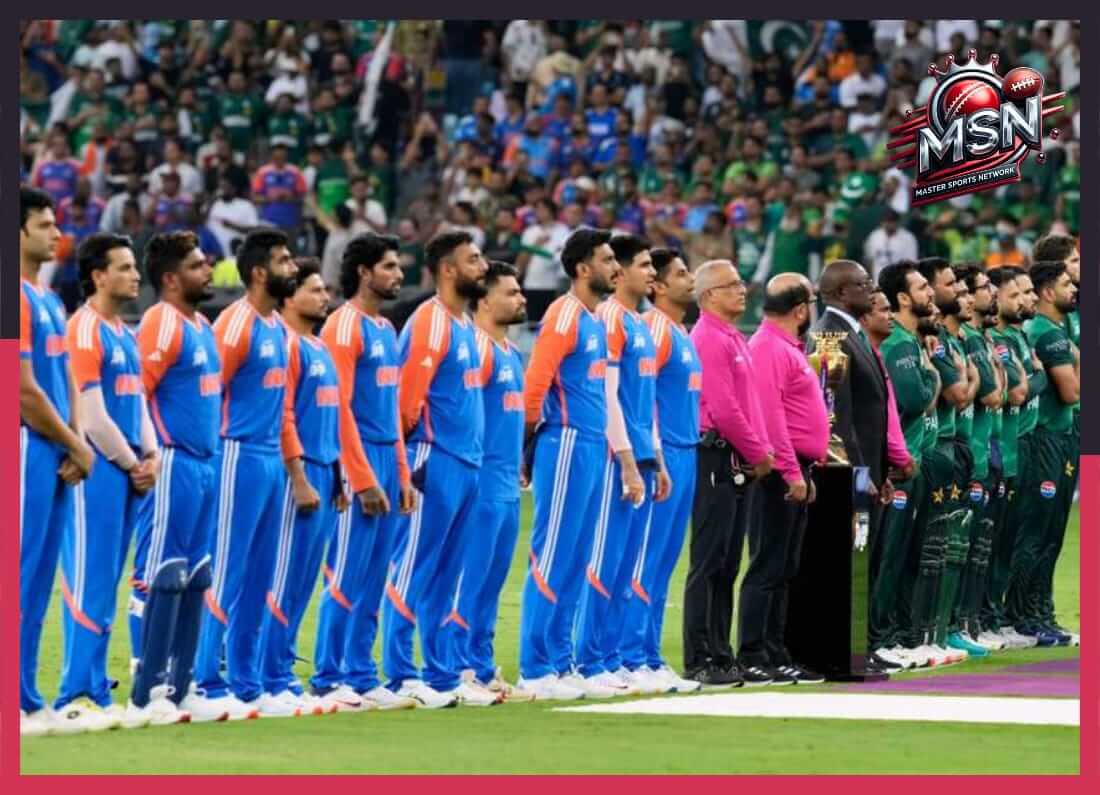
Pakistan will boycott their Group A match against India at the 2026 T20 World Cup, the Government of Pakistan confirmed in a statement on X. While the team has been granted permission to travel to Sri Lanka for the tournament, the statement clarified that “the Pakistan cricket team shall not take the field in the match scheduled on 15th February 2026 against India.” No reason was specified for the boycott, and the Pakistan Cricket Board (PCB) has yet to formally notify the International Cricket Council (ICC).
The India-Pakistan fixture is the most-watched and lucrative game in any ICC event. Since 2012, the ICC has ensured the two sides are in the same group at every tournament, despite the absence of bilateral matches for 14 years due to worsening diplomatic relations. With Pakistan’s boycott, the 2026 T20 World Cup will likely be the first men’s ICC event since 2010 without an India-Pakistan group-stage clash.
Pakistan’s participation had been uncertain after Bangladesh withdrew from the tournament following their refusal to play in India. PCB chairman Mohsin Naqvi had expressed concerns about “double standards” favoring India and said the Government would make the final decision. Speculation grew that Pakistan would selectively boycott only the game against India, rather than the entire tournament, a theory confirmed after the PCB announced its squad for the World Cup.
Pakistan are in Group A alongside India, Namibia, Netherlands, and USA, with all matches in Sri Lanka. They will open against the Netherlands on February 7, then face the USA on February 10 and Namibia on February 18. The boycott of the India game will result in Pakistan forfeiting the two points and negatively affecting their net run rate, while India’s position remains unaffected, according to ICC Playing Conditions.
Clause 16.10.7 of the regulations states: “In the event of a forfeit, the net run rate of the defaulting team shall be affected in that the full 20 overs of the defaulting team’s innings in such forfeited match shall be taken into account in calculating the average runs per over of the defaulting team over the course of the relevant portion of the competition.”
The decision marks a significant moment in cricket history, as politics once again intersects with sport, leaving fans, broadcasters, and organizers navigating an unprecedented scenario for a high-profile ICC tournament.